Losing all teeth affects far more than chewing. It changes facial support, speech, confidence, and how natural a smile looks. Today, full mouth implant bridges have become one of the most effective ways to restore both function and appearance, but many patients are surprised to learn that there is more than one bridge design.
Two of the most common options are FP1 and FP3. Both are fixed implant supported restorations, but they differ significantly in appearance, structure, and suitability depending on bone volume and gum condition.
The most common question patients ask is simple: Which one looks more natural?
What Is an FP1 Bridge?
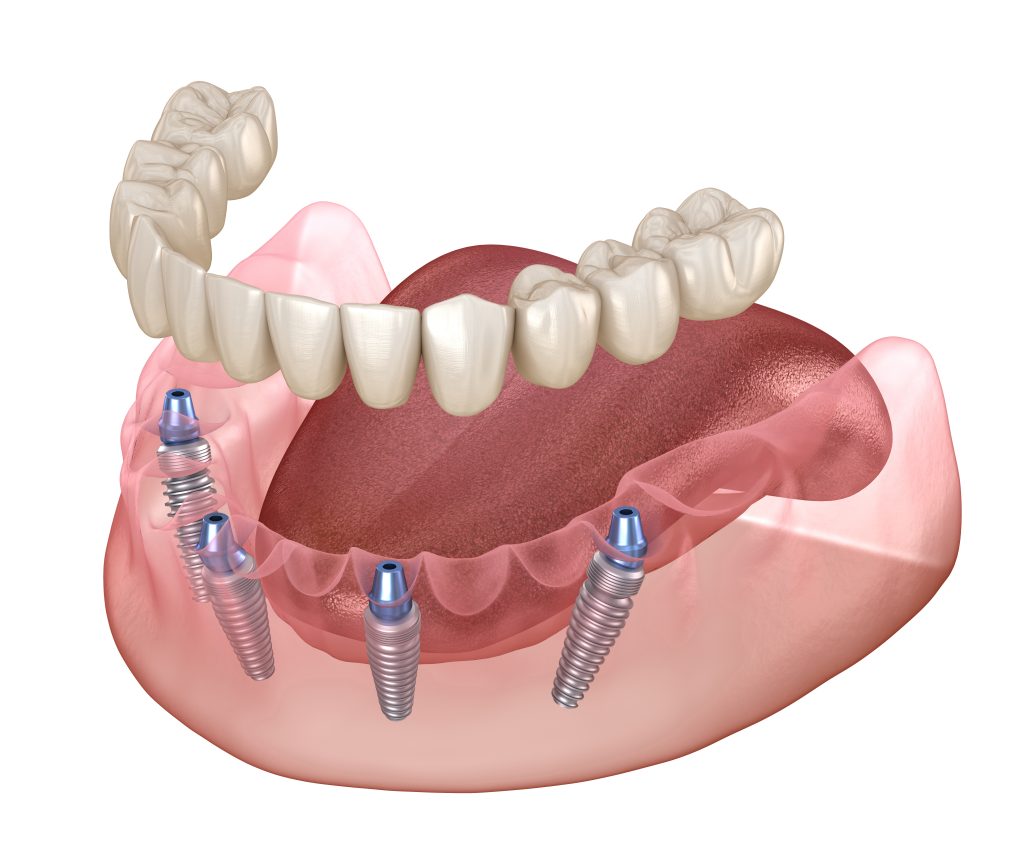
FP1 stands for Fixed Prosthesis 1. It is a bridge designed to replace the teeth only, with no artificial gum structure attached. The teeth sit directly along the patient’s natural gum line, creating the appearance that they are growing straight out of real gum tissue.
This design is the closer of the two to what natural teeth actually look like, and for many patients with adequate bone and gum volume, it is the preferred aesthetic choice.
What Is an FP3 Bridge?
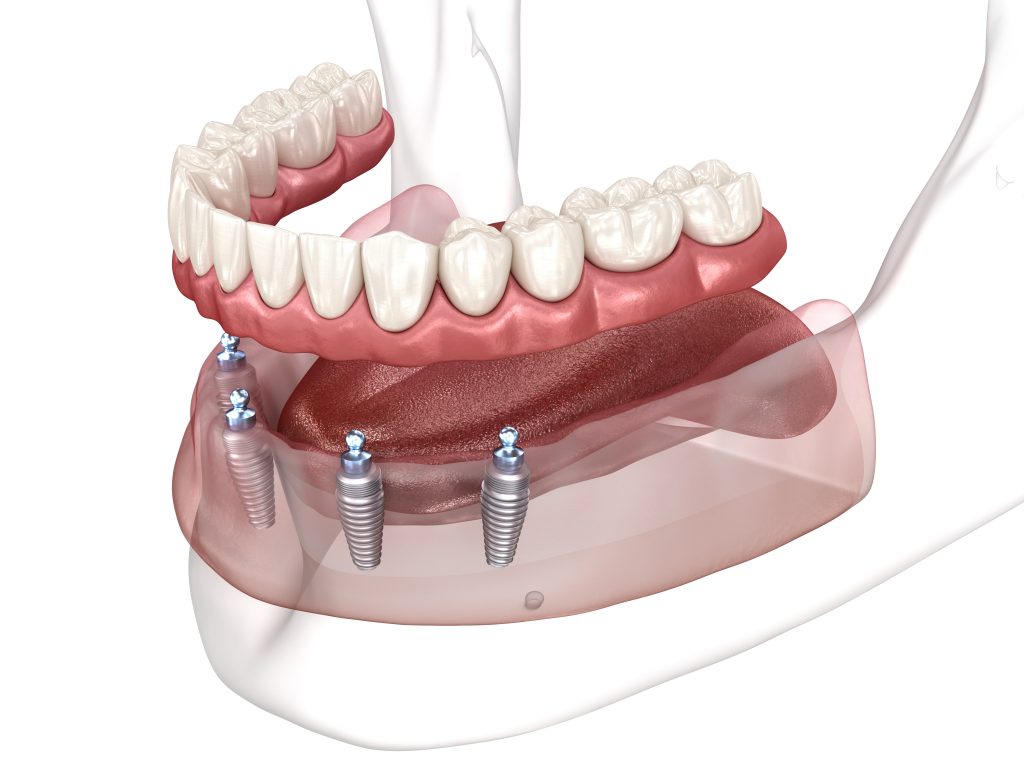
FP3 stands for Fixed Prosthesis 3. Unlike the FP1, this bridge replaces both the teeth and the gum tissue that has been lost. A pink ceramic or acrylic gum base is built into the bridge structure, sitting beneath the artificial teeth to fill in areas where the gum and bone have receded significantly.
This type is particularly important for patients who have experienced considerable bone loss over time because without that pink base filling in the gap, the teeth would look unnaturally long or spaced out from the jaw.
FP1 vs FP3: A Side-by-Side Comparison
|
Feature |
FP1 Bridge |
FP3 Bridge |
|
What it replaces |
Teeth only |
Teeth and artificial |
|
Gum appearance |
Uses the patient’s own natural gums |
Includes a pink ceramic or |
|
Thickness and weight |
Thin, lightweight, and closely mimics real teeth |
Sturdy but can feel bulkier and heavier |
|
Cleaning and maintenance |
Similar to cleaning natural teeth |
Requires attention to the junction between the artificial gum base and the real gum line |
Which Bridge Looks More Natural?
The honest answer is that it depends on the patient’s anatomy and this is exactly why a professional assessment matters before making a decision.
FP1 tends to look more natural for patients with good bone and gum volume. Because the teeth are positioned along the real gum line with no artificial base beneath, chewing forces transmit naturally through the gum tissue, the teeth emerge from the correct position, and lip movement feels completely uninhibited. The bridge is also thinner and lighter, which makes speaking more natural and requires virtually no adjustment period.
FP3 can actually look more natural for patients with significant bone loss. If the jaw has shrunk considerably after years of tooth loss, placing FP1-style teeth directly on receded gums would leave them looking abnormally long. The pink gum base of the FP3 fills in that lost volume, making the overall result look proportional and complete. The trade-off is that the bridge is thicker, may feel slightly bulky at first, and can push against the lips until the patient adapts in which takes a little longer than with FP1.
There Is No “Better” Bridge — Only the Right One for You
The most important takeaway is that neither FP1 nor FP3 is universally superior. The right choice depends on how much bone and gum tissue you have remaining, the position of your jaw, and the aesthetic outcome you are hoping to achieve. A skilled implant specialist will assess your 3D scan results and gum profile before recommending a design that delivers the most natural, functional result for your specific anatomy.
Whichever bridge type is chosen, consistent oral hygiene remains essential. Regular brushing, flossing, and routine dental check-ups help protect the investment and reduce the risk of any complications developing around the implants over time.
The most natural-looking smile is always the one that is designed specifically for you.
Ready to find out which bridge design is right for your smile? Book a consultation with the specialist team at Thailand Dental Implant Center and get a personalized treatment plan built around both your aesthetic goals and long-term oral health.